Redefining PAM for a Workforce of Humans and AI Agents
This article explores how CISOs, CTOs and IAM leaders can redesign their PAM and identity architectures to safely govern the next-generation workforce.
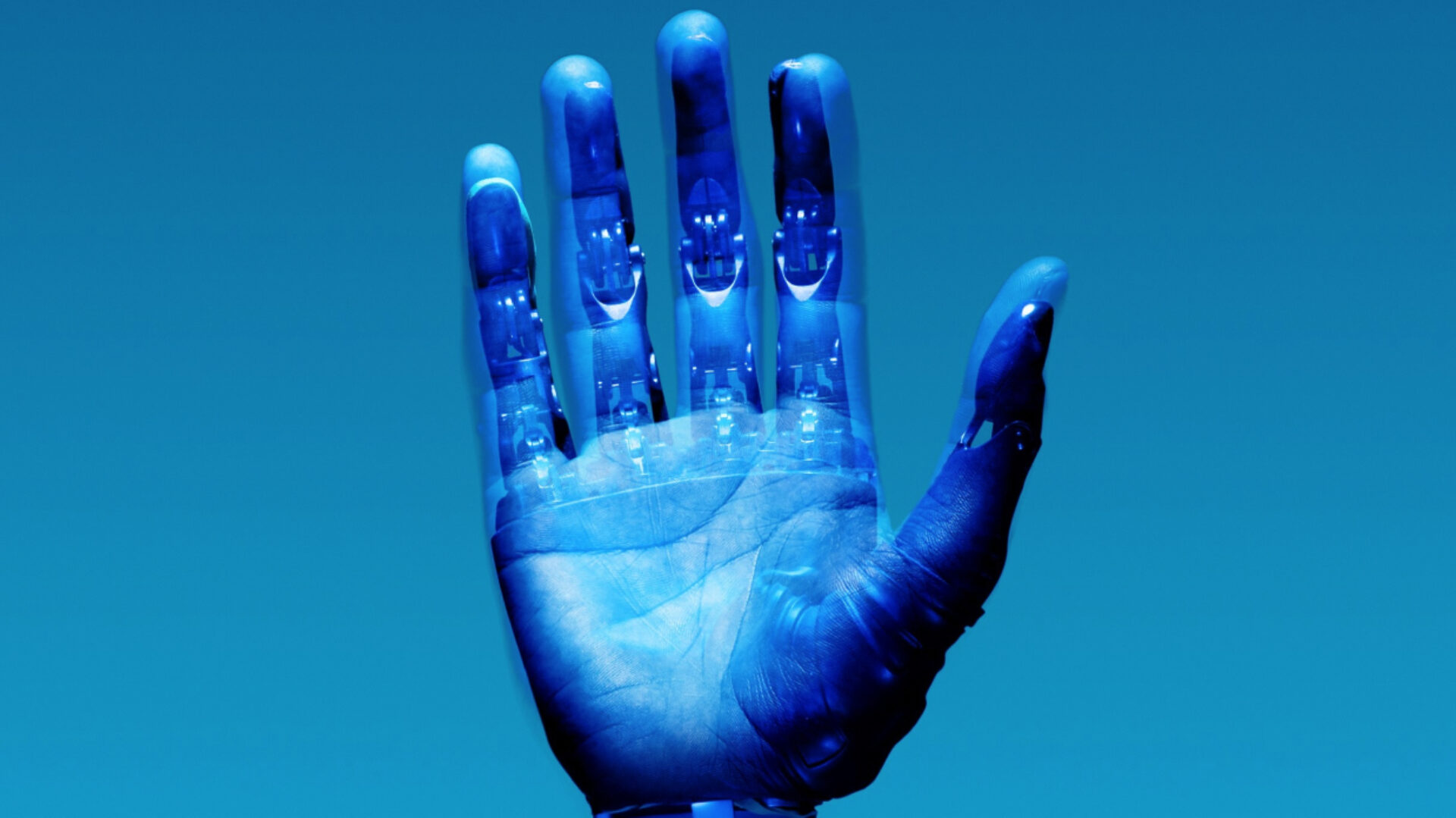
AI agents are becoming active participants in enterprise operations. They initiate workflows, access sensitive data, and increasingly perform tasks traditionally handled by skilled human administrators. Yet in many organisations, these agents operate without clear identity, privilege boundaries or monitoring.
This is no longer sustainable.
As automation accelerates, Privileged Access Management (PAM) must evolve from a human-centric control to a unified framework governing both human and AI-powered identities. PAM is quickly becoming the decisive safeguard against privilege misuse, runaway automation and opaque decision-making.
This article explores how CISOs, CTOs and IAM leaders can redesign their PAM and identity architectures to safely govern the next-generation workforce.
AI agents now exist across IT and business functions: embedded in SaaS applications, orchestrating cloud workflows, responding to customer queries, and analysing operational telemetry. Platforms such as AWS Bedrock AgentCore accelerate this adoption by making AI-driven workflows easy to deploy at scale.
However, privilege management for AI agents is often immature.
This means there is a hidden privileged workforce operating with inconsistent governance and limited oversight.
Delinea’s recent research highlights a shift: as AI agents gain operational autonomy, they often hold more reliable access to systems and data than human administrators. Their actions are faster, less predictable and potentially more impactful.
This places new expectations on PAM.
AI agents require the same controls as human privileged users – and in some areas, stricter ones.
Without these controls, AI-driven operations can unintentionally escalate risk.
Every agent must have:
IAM and CIAM platforms (e.g., Okta/Auth0) help eliminate shared credentials and enforce authentication standards.
Least privilege must apply consistently:
Long-lived privileges are a major source of risk.
PAM should issue ephemeral credentials to AI agents, allowing them to perform specific actions and then immediately revoking access.
AI agents don’t always behave deterministically.
PAM must:
This is critical for preventing privilege misuse at machine speed.
Even the strongest IAM and PAM controls require validation. Dynatrace’s State of Observability 2025 highlights that while enterprises are deploying AI widely, they still lack confidence in automated decision-making. The gap is runtime oversight.
Observability must correlate:
This provides the context needed to trust automated operations.
AI agents adapt and learn.
Observability exposes when tasks or behaviours diverge from expected patterns – allowing CISOs and IT teams to intervene early.
European frameworks such as NIS2, DORA and the forthcoming Digital Omnibus place strong emphasis on:
Observability supplies the audit trail required to demonstrate that AI-initiated privileged actions are governed and reviewable.
At AWS re:Invent 2025, new integrations between AWS services and Dynatrace highlighted how organisations can secure AI agents at cloud scale.
For AI workloads on AWS, Cloudcomputing recommends:
This layered approach ensures AI agents cannot act outside policy without detection.
Regulators increasingly expect organisations to demonstrate:
Under frameworks such as NIS2, DORA and the Digital Omnibus, PAM becomes a central control for ensuring safe automation, especially where AI agents interact with sensitive systems or financial and operational processes.
A mature model for the future workforce incorporates:
Identity-first design
Privileged access by design
Observability-driven assurance
A unified control architecture
Cloudcomputing supports CISO and CTO teams with:
PAM strategy and roadmap for hybrid workforces
Delinea-based PAM deployments
Integrating IAM with PAM
Dynatrace observability for privileged actions
Regulatory mapping for NIS2, DORA and Digital Omnibus
AI agents are now part of the enterprise workforce, and they bring significant privilege implications. PAM can no longer be limited to human administrators – it must govern all identities, human or machine, with equal rigour.
Organisations that modernise their PAM operating model today will:
The organisations that master PAM for AI agents now will set the benchmark for secure, automated operations in the decade ahead.