The Problem
Teams publish APIs in silos. There is no reliable inventory, ownership is unclear, and usage is poorly understood.
This creates operational risk: duplicate APIs proliferate, consumers depend on undocumented interfaces, and changes are made without confidence about impact.
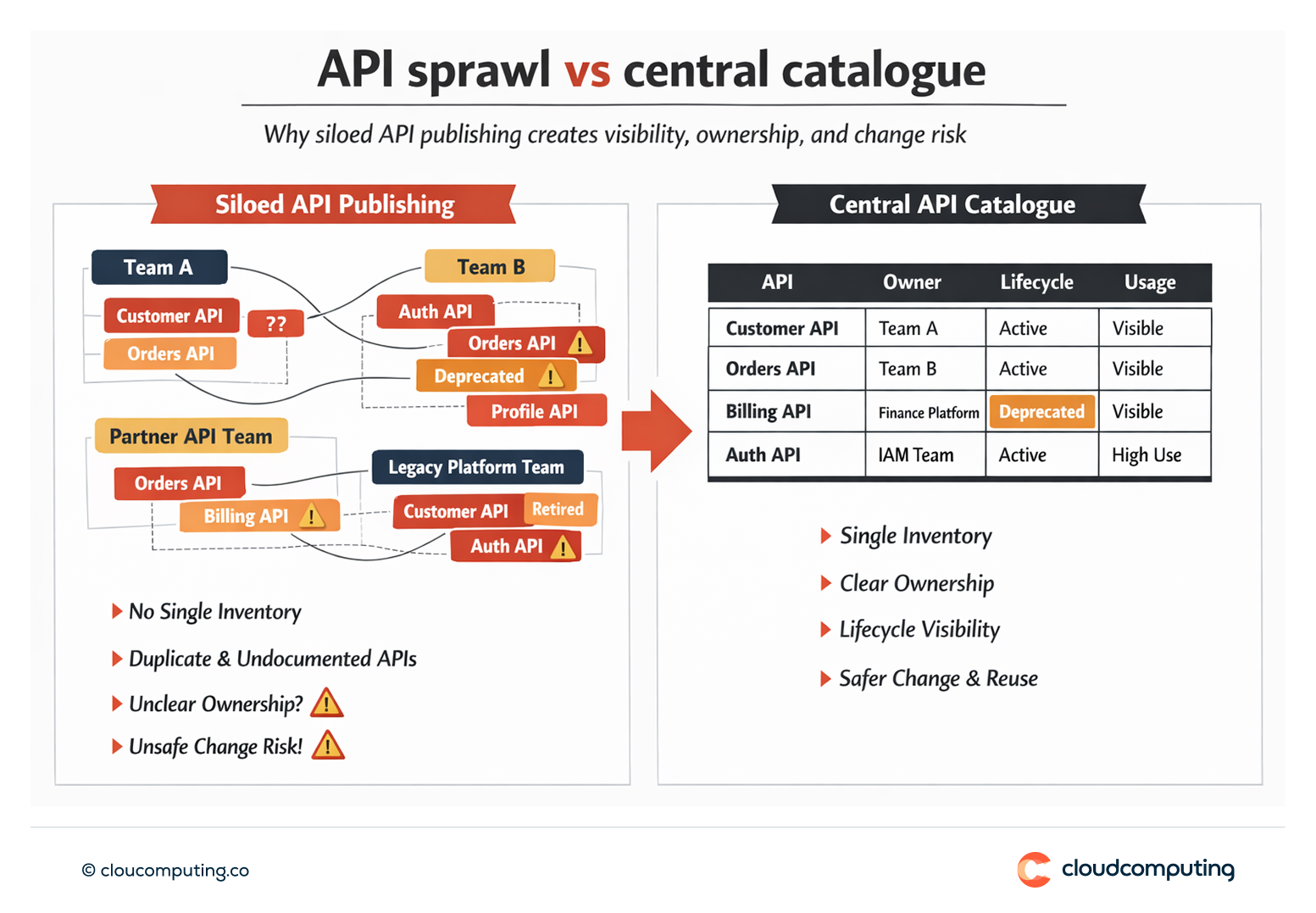
How we solve it: Establish a central API discovery and catalogue with ownership and lifecycle governance in Axway Amplify.
We implement a governed API inventory that captures what exists, who owns it, and how it is used, enabling safe change and faster reuse.
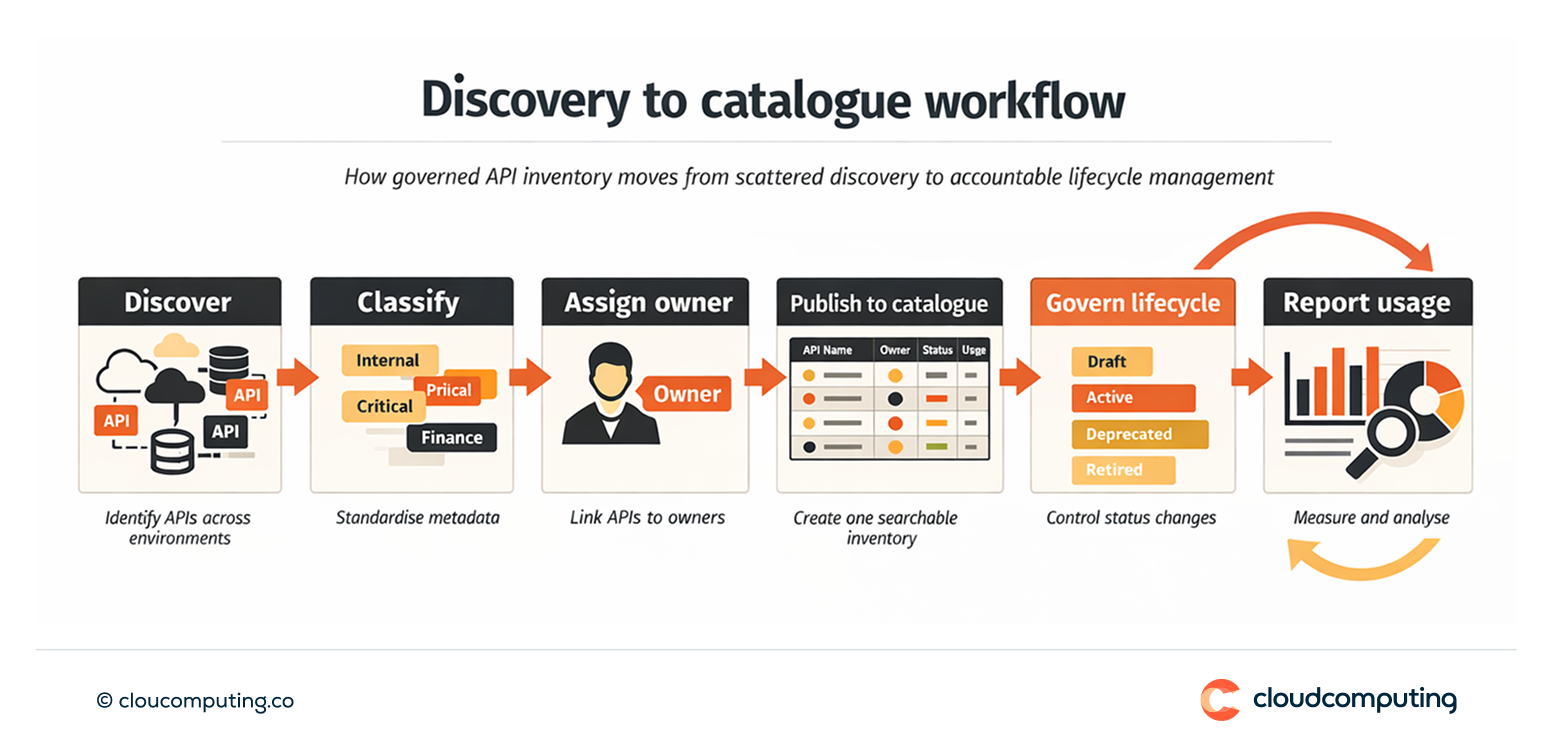
- Discovery and inventory build
Identify APIs across environments and consolidate metadata into a single catalogue. - Ownership and accountability
Assign owners and define responsibilities for changes, security posture, and lifecycle management. - Lifecycle governance
Standardise status and lifecycle stages (draft, active, deprecated, retired) with controls for promotion and change.
Expected outcome
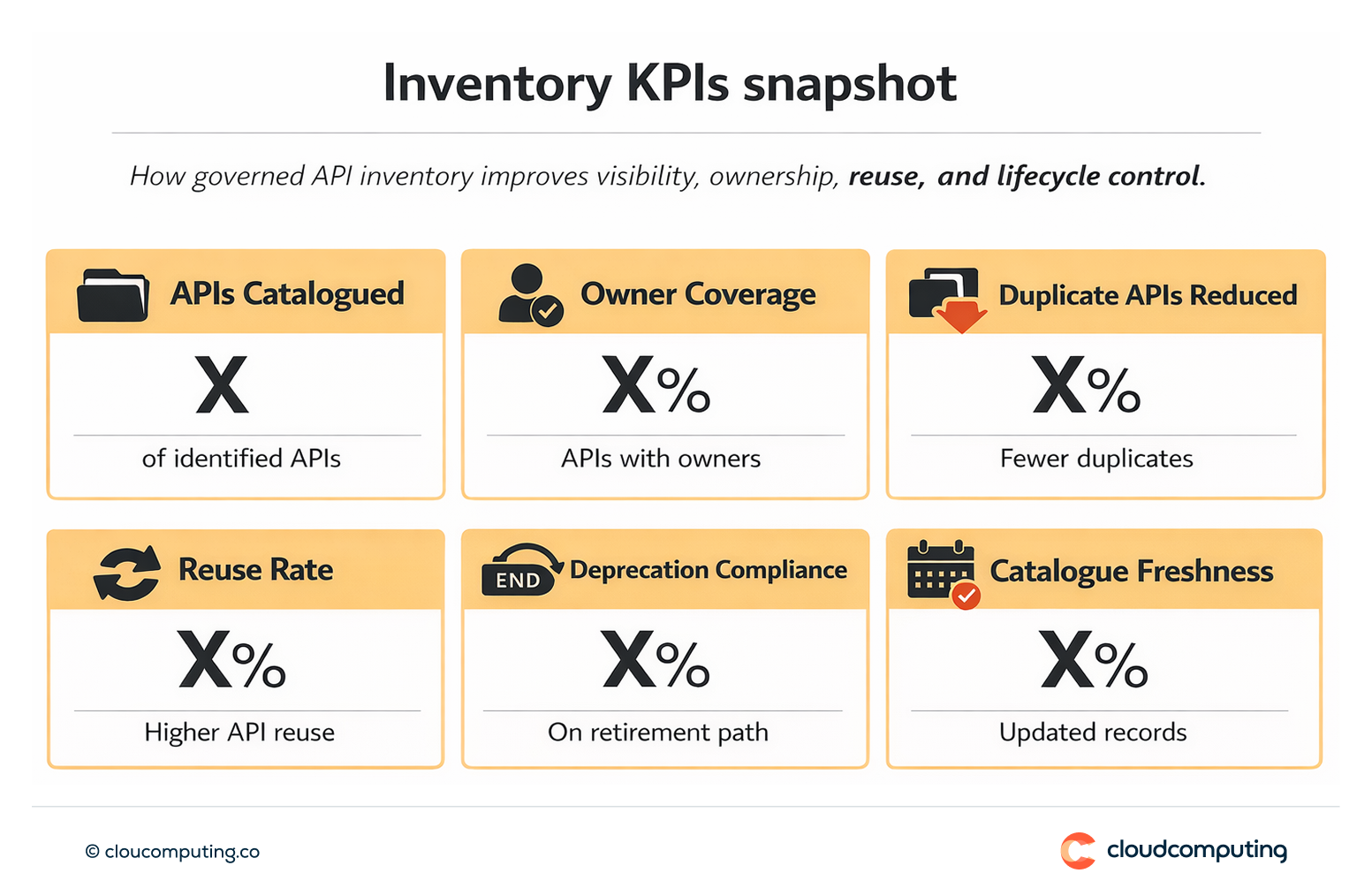
- Clear API inventory with searchable catalogue and lifecycle status
- Accountable owners for governance, security, and change
- Faster reuse by making APIs discoverable and consumable
- Safer change with visibility into consumers and impact
Quick Answers
What is API sprawl?
APIs being created and published across teams without a central inventory or governance.
Why does it matter?
It increases duplication, weakens security consistency, and makes change impact hard to assess.
What does a catalogue enable?
Discoverability, ownership accountability, and safer lifecycle management.